




How Schools Use Literacy Information to Support Student Learning
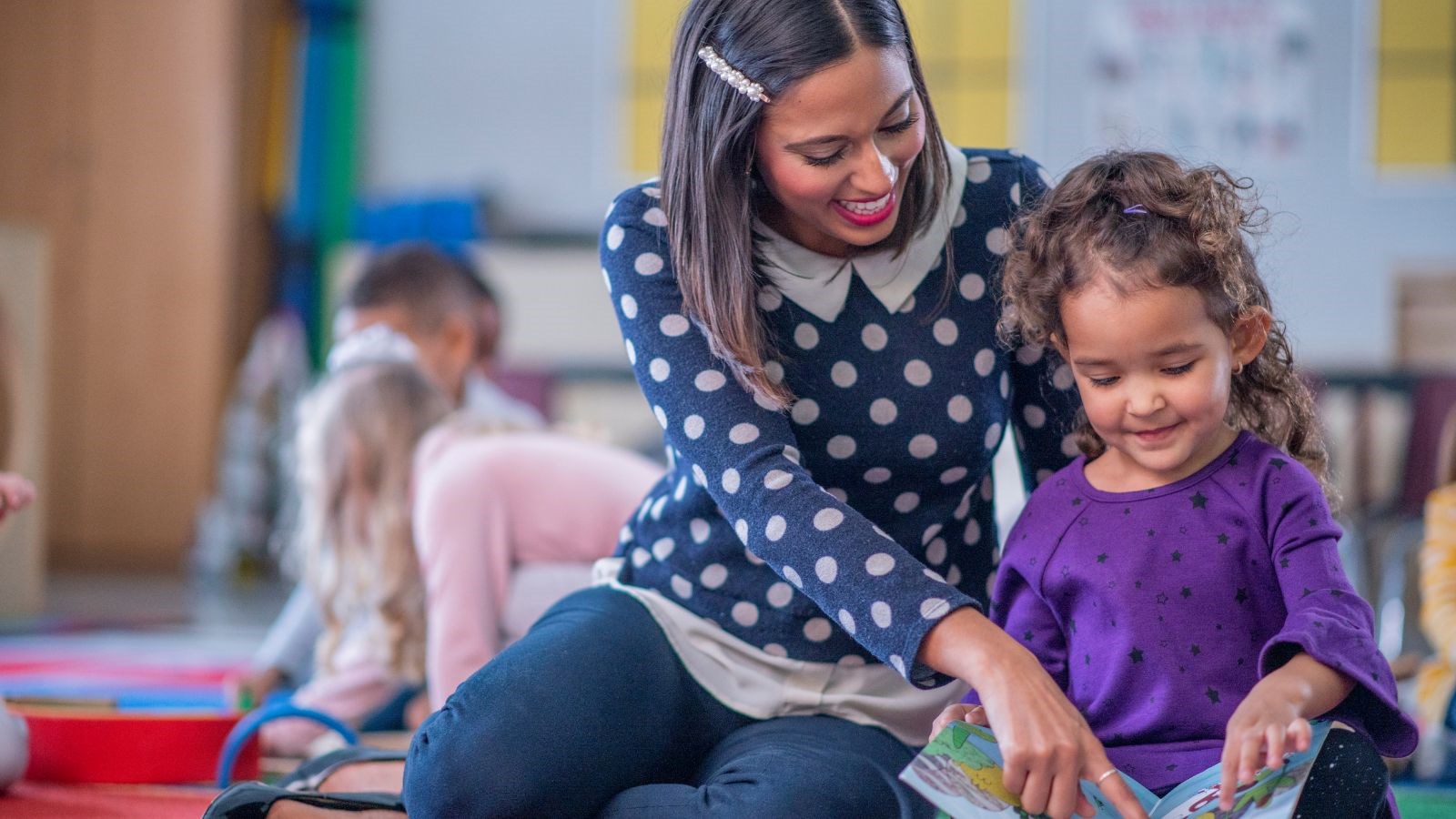
Every child learns to read and write at their own pace. To help students succeed, our schools regularly gather information about literacy development and use it to guide classroom instruction.
This information helps teachers understand what students already know, where they are making progress, and what support may be needed next.
Looking Beyond a Score
Short literacy assessments, sometimes called screeners, are one tool teachers use to learn more about students' reading and writing development. These assessments provide information about specific skills, such as recognizing sounds and letters, decoding words, reading fluently, understanding what is read, and communicating ideas through writing.
Teachers also rely on daily classroom observations, conversations with students, classwork, and assignments to build a complete picture of each learner.
The goal is not to assign a label or compare students. Instead, the goal is to identify strengths, understand needs, and support growth.
Teachers Work Together
Throughout the school year, teachers meet with colleagues to review literacy information and discuss student learning.
By working together, teachers can:
- • Share instructional strategies that are working
- • Identify common learning needs across a class or grade
- • Plan targeted support for students who may need extra help
- • Ensure students are appropriately challenged as their skills develop
This collaborative approach allows educators to learn from one another and make informed decisions about teaching and learning.
Turning Information Into Action
Collecting information is only the first step. What matters most is how that information is used.
Teachers use literacy information to:
- • Adjust classroom instruction
- • Group students for targeted learning opportunities
- • Select appropriate reading materials
- • Provide additional support when needed
- • Monitor progress over time
These decisions help ensure instruction is responsive to student needs and that support is provided as early as possible.
How Families Can Help
Families play an important role in literacy development.
Simple activities such as reading together, talking about books, telling stories, playing word games, and encouraging children to write for real-life purposes can strengthen literacy skills and build confidence.
When schools and families work together, students benefit from consistent support both at school and at home.
Supporting Every Learner
Literacy is the foundation for learning across all subject areas. By using literacy information thoughtfully and working collaboratively, teachers can better understand student needs and provide the support, encouragement, and instruction that help learners grow.
The focus is always on helping every student build the skills and confidence needed to succeed as readers and writers.

 Google Translate
