




Instruction & Assessment
When students are treated as partners in learning and assessment, they are better situated to engage with what is happening in the classroom. The heart of the partnership known as "student-engaged instruction and assessment" is the use of learning targets to explicitly identify goals for learning and monitor student progress.
"The most effective teaching and the most meaningful student learning happen when teachers design the right learning target for today’s lesson and use it along with their students to aim for and assess understanding." -Brookhart, Moss, & Long, 2009, 2010, 2011; Moss & Brookhart, 2009; Moss, Brookhart, & Long, 2011a, 2011b, 2011c. |
Traditional vs student-engaged instruction and assessment
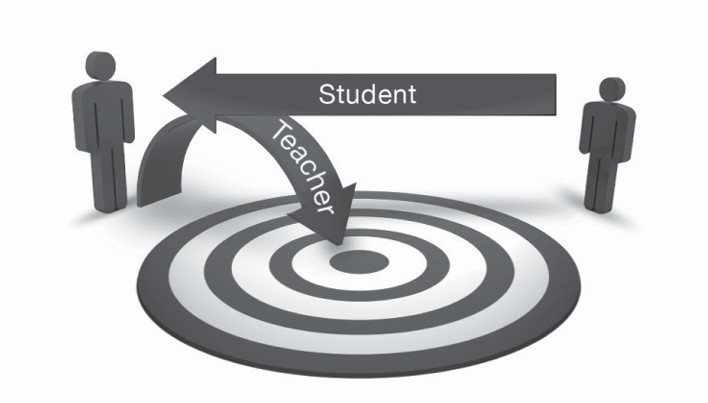 Teacher-Driven | 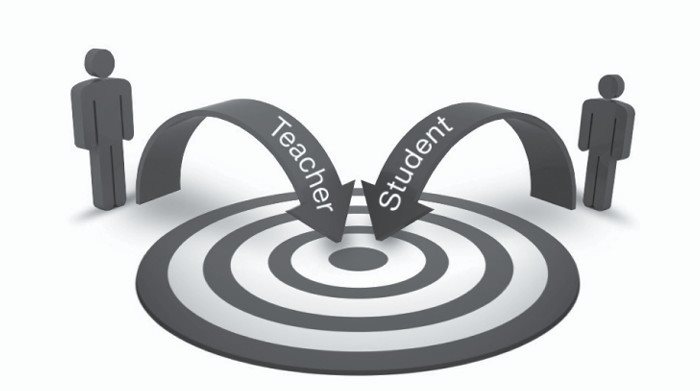 Student-Engaged |
The rationale for student-engaged instruction and assessment
The Educated Citizen
The purpose of BC's redesigned curriculum is to meet the needs of 21st-century learners in a rapidly changing world shaped by advances in information technology and AI, new understandings of how people learn, increasing multiculturalism and overall diversity, and a growing knowledge-based economy. The goal of our curriculum is to develop educated citizens who realize their potential and gain the knowledge, skills, and attitudes needed to contribute to a healthy society and a sustainable economy.
The Educated Citizen:
- is highly engaged and takes initiative in learning and life
- identifies the important knowledge and relevant skills needed in a given context
- has a sense of self worth and is personally aware
- thinks critically and independently
- approaches situations with flexibility
- respects the ideas and beliefs of others and seeks alternative perspectives
- takes responsibility for themselves, others, and the environment
- demonstrates an appreciation of diversity
Defining "engaged"
The continuum below helps us to define engagement, but not how to create it. Research shows us that marks, rewards, and punishments are all insufficient in creating student engagement, but that teachers are critical in creating the conditions that allow students to drive their own learning, which is what makes students engaged rather than compliant (Fischer D., Frey N., Ortega S., Hattie J. Teaching Students to Drive Their Learning, 2023). In short, teachers must design learning experiences and create the classroom conditions necessary for students to learn how to drive their learning, just like they would any other skill. 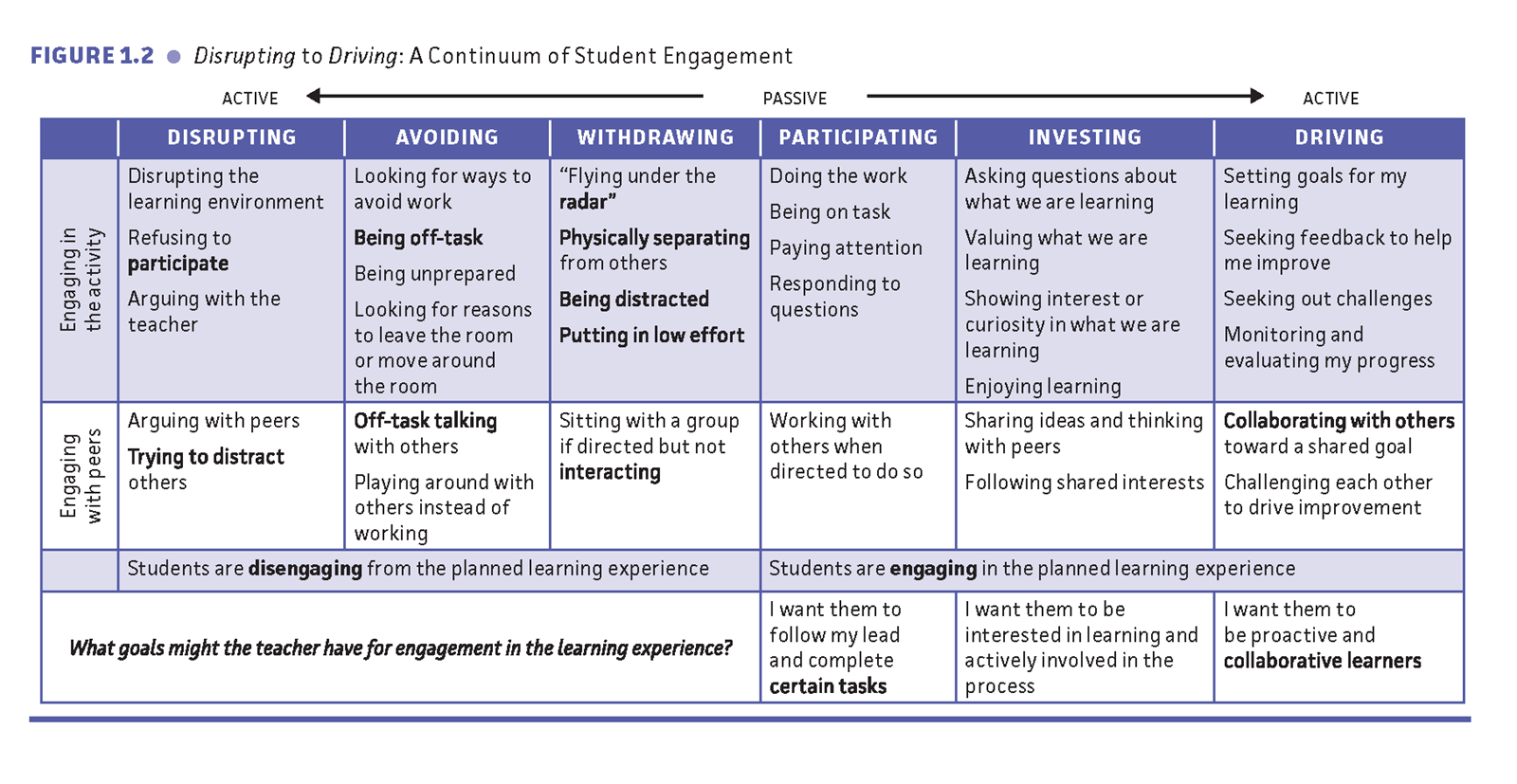 A continuum of student engagement, from Reimagining Student Engagement by Amy Berry. (Courtesy of Corwin Press)
What teaching practices foster student-engaged instruction and assessment?
Keep reading, in order, through the Instruction and Assessment pages to learn more about the factors that teach students to drive their own learning. Each page corresponds with a critical step in the learning cycle that presents opportunities to teach students to drive their learning.
References for Instruction and Assessment pages
Almarode, J. T., Fisher, D., Thunder, K., & Frey, N. (2021). The success criteria playbook: A hands-on guide to making learning visible and measurable. Corwin.
Berger, R., Rugen, L., & Woodfin, L. (2014). Leaders of their own learning: Transforming schools through student-engaged assessment. Jossey-Bass.
Brookhart, S. M. (2015). Classroom assessment essentials. Association for Supervision and Curriculum Development.
Brookhart, S. M., & Moss, C. M. (2014). Learning targets: Helping students aim for understanding in today’s lesson. ASCD.
Fisher, D., Frey, N., & Hattie, J. (2016). The teacher clarity playbook, grades K–12: A hands-on guide to making learning intentions explicit for students. Corwin.
Fisher, D., Frey, N., Hattie, J., Smith, D., & Pumpian, I. (2023). Teaching students to drive their learning: A playbook on engagement and self-regulation. Corwin.
Hattie, J. (2009). Visible learning: A synthesis of over 800 meta-analyses relating to achievement. Routledge.
Main, P. (2021, October 26). Visible learning: A teacher’s guide. Structural Learning. https://www.structural-learning.com/post/visible-learning-a-teachers-guide
O'Connor, K. (2005). How to grade for learning: Linking grades to standards (2nd ed., reprint). Corwin Press.
Wiliam, D. (2011). Embedded formative assessment. Solution Tree Press.

 Google Translate